
World's most expensive mango variety 'Miyazaki Mango Plant' | Hybrid And Gr..More
₹599
₹4,997
88% OffHurry Up, Shop Now!
0H:0M:0S
Final Price inclusive of all taxes
Free Delivery
Get it delivered in 4-9 days
size
FREE SIZE
Product Information
Brand
Nature Flora
Country Of Origin
India
Product Type
Live Plant
Suitability
Outdoor
Material Feature
Organic
Exposure
Full Sun
Product Description
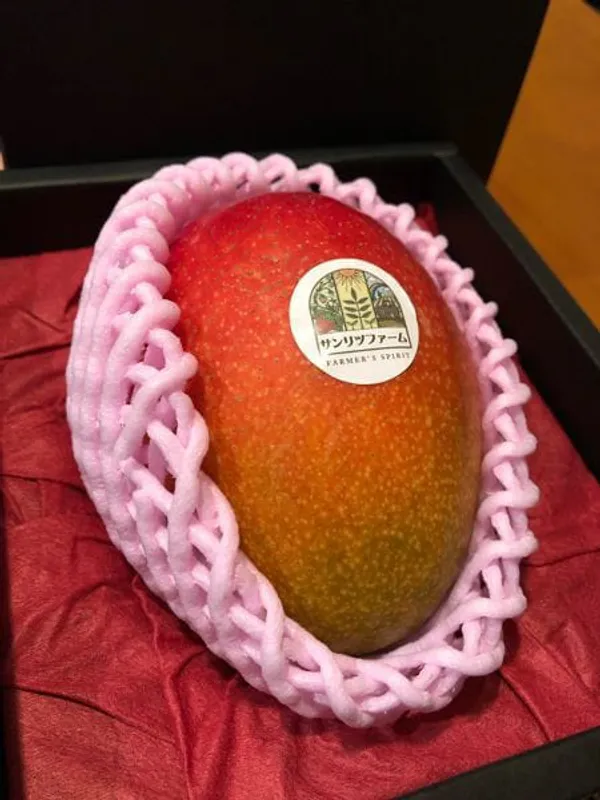
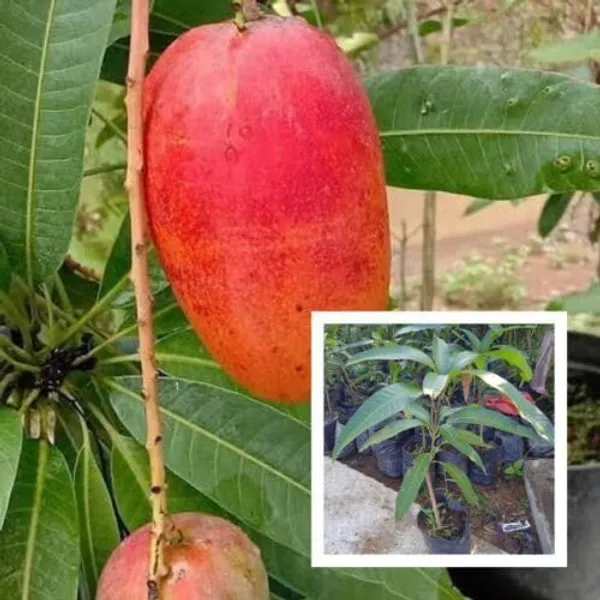
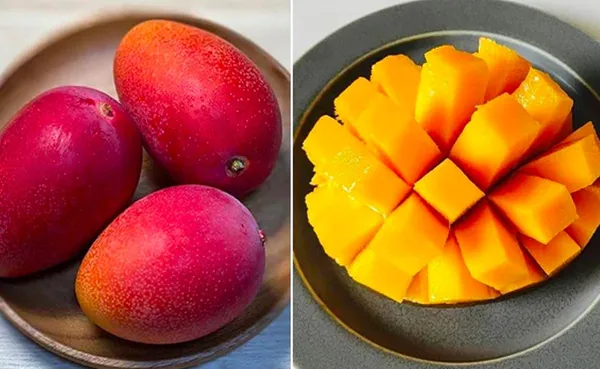
The Miyazaki Mango, often referred to as the “world’s most expensive mango,” is a rare and luxurious fruit known for its exceptional sweetness, vibrant ruby-red skin, and buttery smooth texture. Originally from Japan’s Miyazaki Prefecture, this mango variety is now carefully cultivated in select tropical regions under controlled conditions. Each fruit undergoes strict quality checks, ensuring high sugar content, perfect shape, and intense aroma. The tree itself is medium-sized and flourishes in warm, sunny climates with good irrigation and care. Rich in antioxidants, fiber, and vitamins, the Miyazaki Mango is not just a fruit—it’s a premium experience for the senses, making it a prized addition to luxury fruit collections and high-end gifting.
Plant and Care Instructions:
Planting:
Location: Choose a sunny location with well-drained soil.
Planting Time: Best planted in the early spring or the beginning of the rainy season.
Spacing: Ensure at least 10-12 feet between plants to allow ample space for growth.
Planting Depth: Dig a hole twice the size of the root ball and place the plant at the same depth it was in the nursery container.
Care:
Watering: Water the plant regularly, especially during the first two years. Ensure the soil is moist but not waterlogged.
Fertilization: Feed the plant with a balanced fertilizer every 2-3 months during the growing season.
Pruning: Prune the plant to remove dead or diseased branches and to shape the canopy for better air circulation.
Mulching: Apply mulch around the base of the plant to retain soil moisture and reduce weed growth.
Pest Control: Monitor for common pests like aphids and mealybugs. Use organic or chemical pesticides as needed to protect the plant.
Plant and Care Instructions:
Planting:
Location: Choose a sunny location with well-drained soil.
Planting Time: Best planted in the early spring or the beginning of the rainy season.
Spacing: Ensure at least 10-12 feet between plants to allow ample space for growth.
Planting Depth: Dig a hole twice the size of the root ball and place the plant at the same depth it was in the nursery container.
Care:
Watering: Water the plant regularly, especially during the first two years. Ensure the soil is moist but not waterlogged.
Fertilization: Feed the plant with a balanced fertilizer every 2-3 months during the growing season.
Pruning: Prune the plant to remove dead or diseased branches and to shape the canopy for better air circulation.
Mulching: Apply mulch around the base of the plant to retain soil moisture and reduce weed growth.
Pest Control: Monitor for common pests like aphids and mealybugs. Use organic or chemical pesticides as needed to protect the plant.